
Understanding Restorative Dentistry and What It Can Do For You
It’s great news that the incidence of tooth decay has significantly diminished over the years due to the use of fluorides and an increase in patient awareness. However, teeth are still susceptible to decay, infection, and breakage and sometimes need to be restored back to health. Through improved techniques and modern technology, we are now able to offer more options for restoring a tooth back to its normal shape, appearance and function.
Should your teeth ever require a restorative treatment, you can rest assured knowing we will always discuss with you the available options, and recommend what we believe to be the most comfortable and least invasive treatment. Providing you with excellent care is our number one priority when creating your beautiful smile.
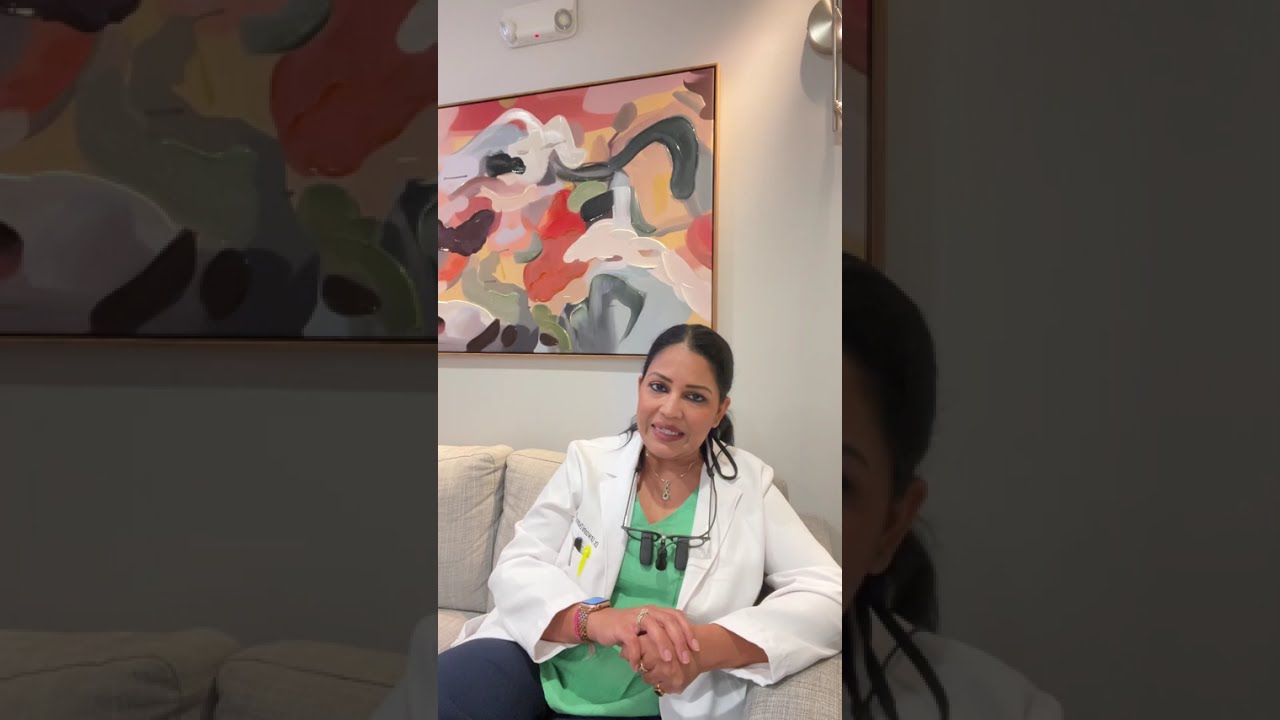
What is restorative dentistry?
Great question. Restorative dentistry focuses on repairing damaged teeth. Damage can occur due to cavities, chipping, wear, or trauma. That's where restorative dentistry comes into play.
What is the difference between restorative dentistry and cosmetic dentistry?
Restorative dentistry focuses on repairing damaged tooth structure to make it healthy, more functional, and return it to normal form. Cosmetic dentistry is primarily focused on the shape, alignment, color of teeth, and the appearance of gums. Essentially, restorative dentistry repairs damage to restore normal form and function, while cosmetic dentistry is more concerned with improving appearance.
What conditions would require restorative dentistry?
There are many conditions that require restorative dentistry. If you have a small cavity, it can be addressed with fillings. If the cavity is larger, it may need inlays or onlays, which are harder substances than filling material. If an even larger cavity infects the tooth's nerve, a root canal followed by a cap, also known as a crown, is necessary. If a person has lost a tooth, it can be replaced permanently with implants or temporarily with partial bridges or dentures.
Reasons for Restorative Dentistry:

- Enhance your smile.
- Fill in unattractive spaces between teeth.
- Improve or correct an improper bite.
- Prevent the loss of a tooth.
- Relieve dental pain.
- Repair damaged and decayed teeth.
- Replace missing teeth.
- Restore normal eating and chewing.
- Replace missing teeth.
Is anesthesia or sedation used during restorative dental procedures?
Yes, absolutely. Local anesthesia is used for restorative dental procedures to keep our patients out of pain and discomfort.
What are the benefits of restorative dentistry?
The primary benefit is repairing damaged tooth structure and restoring your teeth to normal form and function. This prevents further damage, which could eventually lead to tooth loss, something we aim to avoid.
Are there risks associated with restorative dental procedures?
No, not at all. These procedures are beneficial for the patient, and there are no associated risks.
How long does it take to recover from restorative dental procedures?
It depends on the procedure. For example, if it's a simple filling involving only one tooth, recovery time is about half an hour to one hour. More extensive procedures might take a couple of hours, but nothing excessive.
What is the success rate?
Great question. The success rate for restorative dentistry, based on decades of experience, is between 90% to 95%. It's quite high and significantly helps our patients maintain their oral health.
How can I schedule a dental appointment to restore my teeth and oral health?
If you're ready to take action and know something needs attention, give us a call at (202) 223-2070.
If you’re looking for dental care you can trust, call us at (202) 223-2070 or email [email protected]. We’re here to help you have the smile you've always wanted!
